
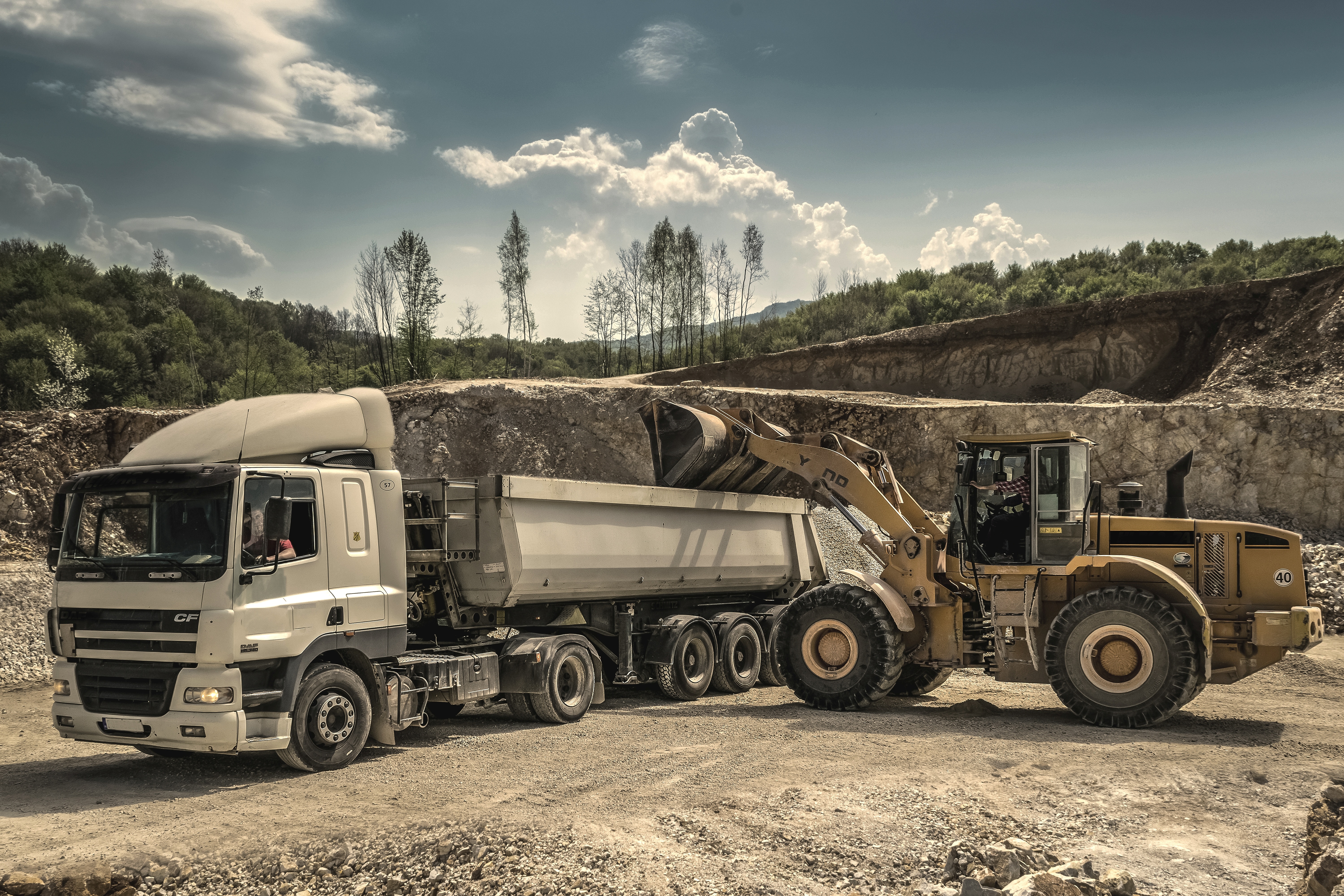
A semi truck is two machines: a tractor that supplies the power and a semi-trailer that carries the load. The trailer has no front axle, so its nose rests on the tractor at a coupling called the fifth wheel. That is where the “semi” comes from. You will also hear them called big rigs or 18-wheelers.
So when people ask about the types of semi trucks, they usually mean one of two things: the kind of tractor, or the kind of trailer. This guide covers both.
The two main types of semi tractor
Day cab. A day cab has a seat and no sleeping space. It is shorter, lighter and easier to turn, and the driver gets home at the end of the shift. Day cabs do local delivery, port and yard work, and short-haul runs.
Sleeper. A sleeper adds a bunk behind the seats, so a driver can take required rest in the truck. Sleepers are built for long-haul routes that keep a driver away for days at a time.
7 types of semi trailers
The trailer decides what a truck can haul, and most of the differences between semi trucks come down to this list.
1. Dry van
The enclosed box trailer you see most often on the highway. A dry van protects palletized freight and general cargo from the weather. See trailer financing.
2. Refrigerated trailer (reefer)
An insulated trailer with its own cooling unit, for food, flowers, medicine and anything else that has to stay at temperature. See reefer trailer financing.
3. Flatbed
An open deck with no roof or sides. Flatbeds carry steel, lumber, pipe and machinery that is too large or awkward for a van, and they load from the sides or from above.
4. Lowboy and step deck
Trailers with a dropped deck, which leaves room under bridges and wires for tall loads. Lowboys move excavators, dozers and other heavy machinery, usually with a heavy haul tractor in front.
5. Tanker
A sealed tank for liquids and gases, including fuel, chemicals, milk and water. Water tankers also serve mining and construction sites. See tank trailer financing.
6. Dry bulk
Pneumatic and hopper trailers for loose material, such as cement, sand, grain and plastic pellets. They unload through hoppers or by air pressure instead of from a dock.
7. Car hauler
A two-level trailer with ramps that carries passenger vehicles from plants, ports and auctions to dealers. See car hauler financing.
Is a box truck a semi truck?
No. A box truck is a straight truck: the cab and the cargo box sit on one chassis and do not separate. Box trucks are common for local delivery and moving furniture and appliances, and many do not need a tractor-trailer license. See box truck financing.
Financing a semi truck
American Capital Group finances day cab tractors and trailers for local and short-haul work, along with vocational trucks such as dump trucks. We don’t finance long-haul trucks.
Transactions start at $10,000, and up to $150,000 is usually decided on a one-page application without financial statements. Terms run from 24 to 60 months, on new or used equipment from any dealer, auction or private seller.
Read more about semi truck financing, or start an application.